メインコンテンツにスキップ

Handpicked deals available today

Happy Hour & Cheap Eats Deals Across Japan

All-you-can-drink, senbero (under ¥1,000), one-coin (¥500) lunch deals.

1,324 deals listed|66 areas covered

人気ランキングを見る

お得度・情報充実度からおすすめ順に掲載中

ランキングを見る

Japan Drinking Culture Guide

What is Senbero?

Senbero is one of Japan's best-kept secrets for budget drinking. The word comes from combining "sen" (千, meaning 1,000) and "bero bero" (べろべろ, meaning tipsy or drunk) — the idea being you can enjoy a few drinks and small dishes for under ¥1,000 (about $7 USD).

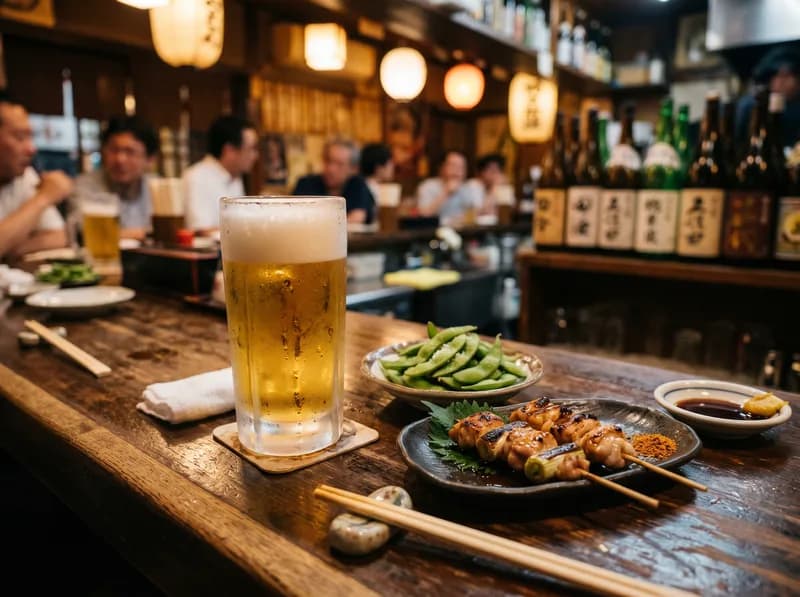
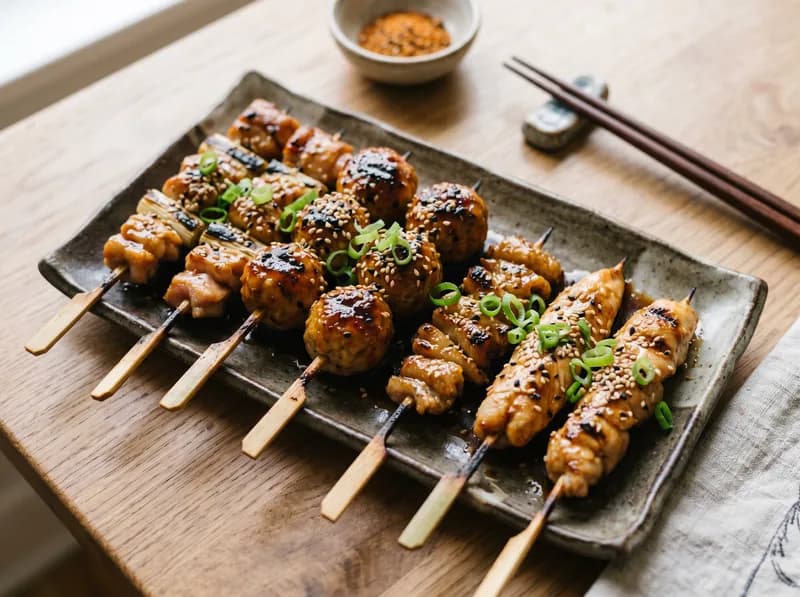
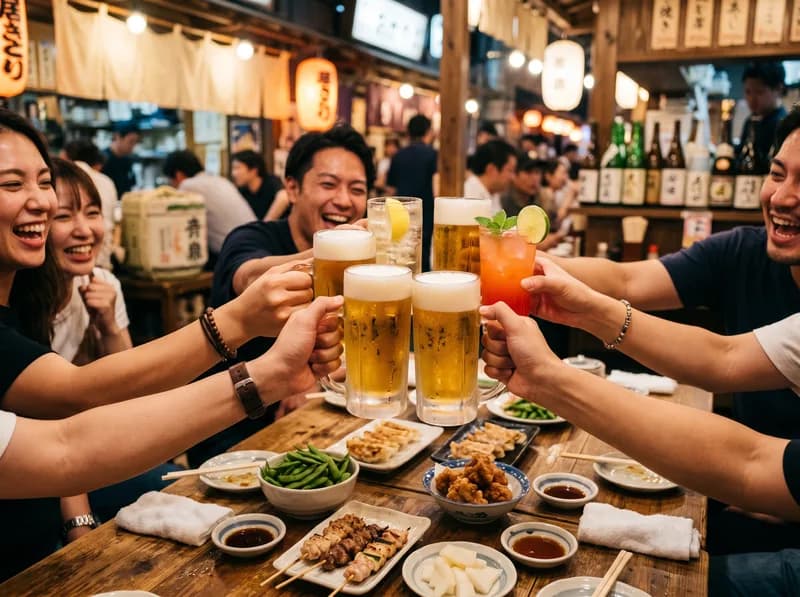
Senbero spots are typically small, no-frills izakayas (Japanese pubs) or standing bars where the focus is on cheap drinks and simple, delicious food. A typical senbero experience might include two or three beers or highballs plus a small plate of yakitori or edamame — all for under a thousand yen.

You'll find the best senbero scenes in neighborhoods like Akabane, Ueno, Shinbashi, and Osaka's Tenma district. These areas are packed with old-school drinking alleys where regulars and newcomers sit shoulder to shoulder. Senbero bars often open early in the afternoon, making them perfect for "hirunomi" (daytime drinking). Look for handwritten signs advertising "set deals" — that's usually your best bet for a true senbero experience.

How to Order at a Standing Bar

Standing bars (tachinomi / 立ち飲み) are a quintessential part of Japan's drinking culture. They're cheaper than regular izakayas because there are no table charges and minimal staff. Here's how to navigate one like a local.

When you walk in, find an open spot at the counter or standing table. Most standing bars use one of two ordering systems: order at the counter and pay as you go, or order from a ticket machine (券売機 / kenbaiki) near the entrance. If there's a ticket machine, buy your tickets first, then hand them to the staff.

Drink prices at standing bars are typically 30-50% cheaper than seated restaurants. A draft beer might be ¥290 instead of ¥550, and highballs often start at ¥150-200. Food portions are smaller but very affordable.

Key etiquette tips: don't linger too long during peak hours (most visits last 30-60 minutes), keep your area tidy, and if the bar is packed, be ready to share your standing space. Many standing bars are cash-only, so keep coins and small bills handy. A simple "sumimasen" (excuse me) will get the staff's attention for ordering.

Cash-Only? Tips for Tourists

Despite Japan's high-tech reputation, many small restaurants, izakayas, and standing bars operate on a cash-only basis — especially the cheap, local spots that offer the best deals. Here's how to make sure you're never caught without yen.

Japan's convenience stores (7-Eleven, Lawson, FamilyMart) are your best friend. Their ATMs accept most international cards (Visa, Mastercard, Plus, Cirrus) and are available 24/7. 7-Eleven ATMs are especially reliable for foreign cards. Withdrawal fees are typically ¥110-220 per transaction.

Carry a mix of ¥1,000 and ¥500 bills plus coins. Many budget bars and food stalls don't carry much change, so paying with a ¥10,000 note can be awkward. A good rule: withdraw ¥10,000-20,000 at a time and break it at convenience stores or larger restaurants first.

More restaurants now accept IC cards (Suica, Pasmo) and QR payments like PayPay. If you have a Suica on your iPhone or Apple Watch, you can use it at many chain izakayas. However, the smallest and cheapest spots — often the ones with the best senbero deals — tend to be cash-only. When in doubt, check for a "現金のみ" (cash only) sign near the entrance, or simply ask "カード使えますか?" (kaado tsukaemasu ka? / Can I use a card?).

Submit a Deal

Venue owners and users can submit. Free to list.